
What is Silicone Glue and Why is it Highly Important in Various Industries?
Silicone Glue It is one of the most widely used types of industrial and construction adhesives, which has gained a special place among home and industrial consumers due to its unique characteristics. This type of glue is produced based on silicone polymers and creates a flexible, resistant, and durable structure after drying. High resistance to moisture, heat, sunlight, and chemicals has made silicone glue suitable for projects where other adhesives do not perform well. The Versan adhesive collection, as a specialized manufacturer of silicone glue, offers this product with precise formulation and industrial quality.
Technical Features of Silicone Glue and Its Difference from Other Adhesives
What distinguishes silicone glue from many common adhesives is the simultaneous combination of strong adhesion and high flexibility. Unlike hardening adhesives that become brittle after drying, silicone glue maintains its rubbery state and has high resistance to vibration, expansion, and contraction of surfaces. This feature is particularly important in environments with extreme temperature changes or high humidity. Additionally, silicone adhesives are resistant to UV rays and do not crack or lose quality when exposed to outdoor conditions.
Types of Silicone Glue Based on Chemical Composition
Silicone adhesives are classified into two main categories based on their chemical composition: Acidic Silicone Glue و Neutral Silicone Glue Acidic silicone glue typically has a vinegar-like smell and is considered very suitable for surfaces such as glass, ceramics, and tiles. This type of glue has a high drying speed but is not recommended for sensitive metals and surfaces vulnerable to corrosion. In contrast, neutral silicone glue can be used on metal, concrete, stone, PVC, and many industrial surfaces without causing corrosion, which is why it has a wider application in professional projects.
Types of Silicone Glue Based on Industrial and Construction Applications
Silicone glue is produced in various models depending on the type of use, each designed for a specific application. Construction silicone glue is one of the most common types of this product, used for sealing windows, bathrooms, kitchens, and building facades. Industrial silicone glue is also widely used in the automotive, electronics, HVAC, and industrial equipment industries. Versan glue produces various types of silicone glue with specialized formulations for different applications based on market needs.
Application of Silicone Glue in the Construction and Installation Industry
In the construction industry, silicone glue plays an important role in sealing and caulking. Using this glue around sinks, bathtubs, windows, and construction joints prevents water and moisture penetration and increases the lifespan of the structure. The flexibility of silicone glue ensures that it does not crack due to building settlement or temperature changes. Therefore, professional engineers and contractors consider the use of high-quality silicone glue one of the essential principles for standard project execution.
The Role of Silicone Glue in Electronics and Electrical Industries
One of the specialized applications of silicone glue is in the electronics and electrical industries. This glue, due to its electrical insulation properties, heat resistance, and non-reactivity with sensitive components, is an ideal option for coating electronic boards and protecting connections. In this field, silicone glue not only provides adhesion but also plays a protective role against moisture, dust, and vibration. The production of silicone adhesives to industrial standards is one of the strengths of the Versan adhesive collection in meeting the needs of specialized industries.
Application of Silicone Glue in the Automotive and Transportation Industries
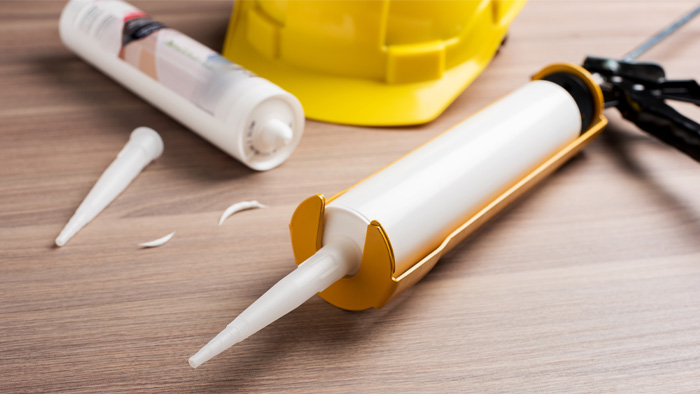
In the automotive industry, silicone glue is used for sealing parts, caulking lights, windows, and some engine connections. Its high resistance to heat and vibration makes this glue a reliable choice for high-pressure environments. The use of high-quality silicone glue directly contributes to the safety and durability of automotive parts and prevents moisture and contamination.
Difference Between Silicone Glue and 123 Glue and Their Complementarity
Although silicone glue and 123 glue both fall into the category of widely used adhesives, their applications are quite different. 123 glue is used for quick and hard bonding of surfaces such as wood, MDF, and plastic, while silicone glue is primarily used for sealing and flexible bonding. Many industrial and construction projects require a combined use of these two types of glue. Versan, by simultaneously producing silicone glue and 123 glue, fully meets the needs of consumers.
Why is Choosing High-Quality Silicone Glue Important?
The quality of silicone glue has a direct impact on the durability, safety, and final performance of the project. Low-quality adhesives may lose their adhesive properties or crack after a while. Using a product made with high-quality raw materials and precise quality control prevents future repair and maintenance costs. Versan, utilizing technical knowledge and up-to-date equipment, produces products that meet the needs of professional and industrial consumers.